
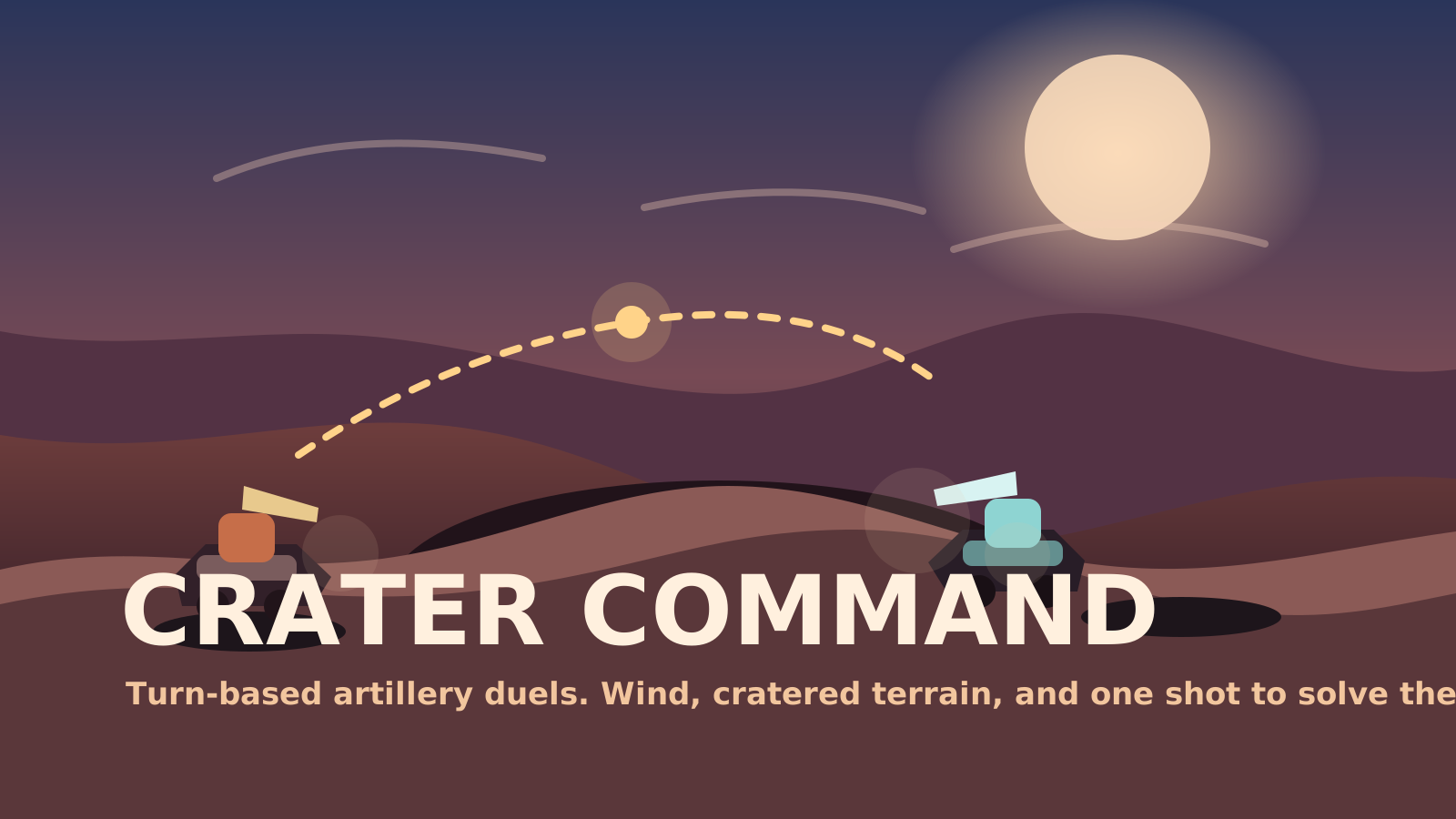
Crater Command
Trade turn-based artillery fire across a destructible crater field and solve each shot before...
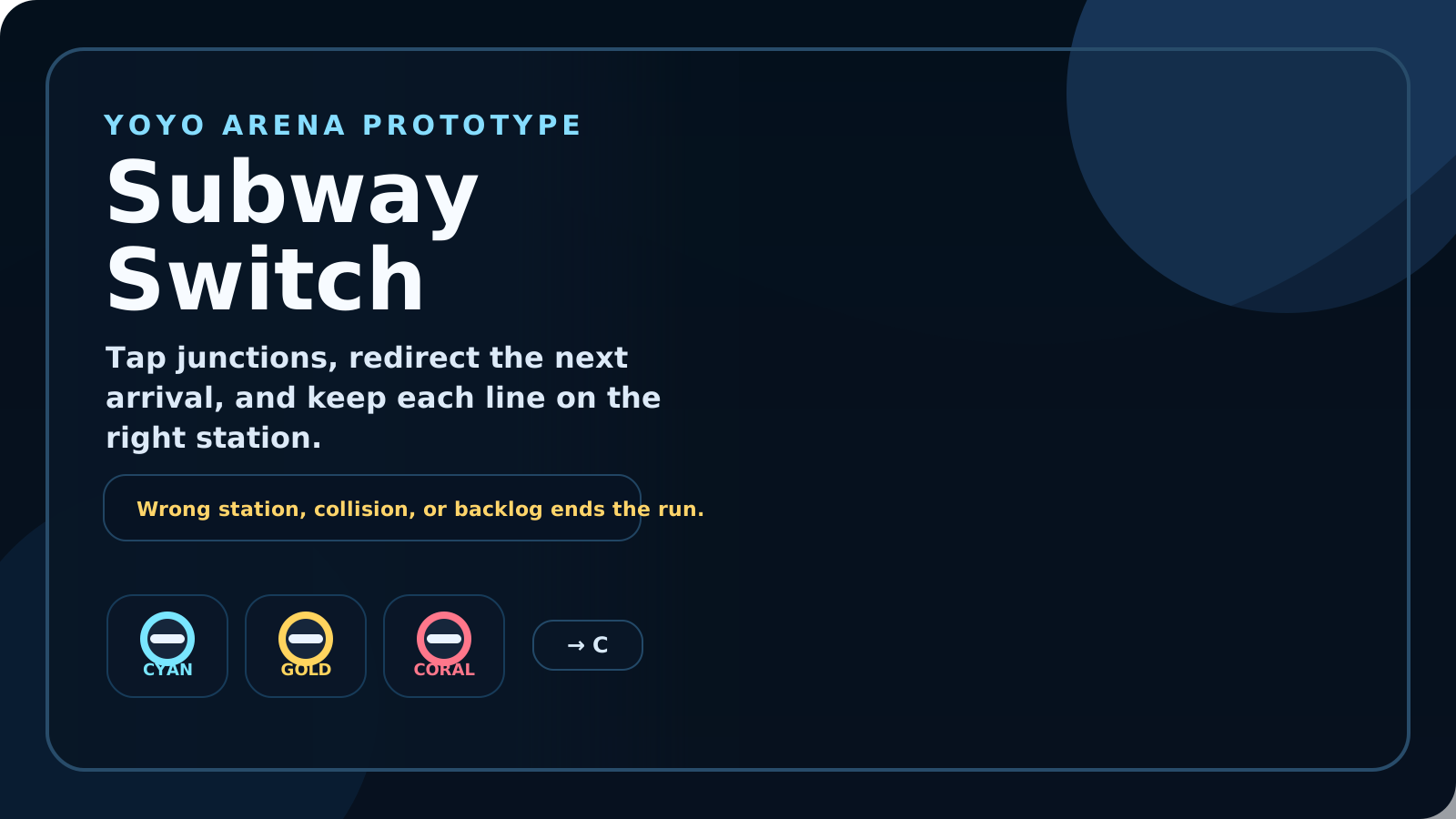
Flip the junctions, keep the color lines straight, and stop the district from collapsing into gridlock. Subway Switch is a portrait-first transit routing game built for quick mobile sessions: trains roll in from two top depots, three end stations wait at the bottom, and every tap on a junction changes where the next arrival will go. Cyan must reach cyan, gold must reach the centre station, coral must reach the right platform. One mistake is enough to end the run. Send a train into the wrong terminus, let two routes converge at the same time, or ignore a slow line long enough for it to choke the network, and the whole system locks up. The controls stay simple on purpose so the tension comes from timing, route reading, and staying calm once several trains are on screen at once.
Subway Switch was designed to add a cleaner real-time routing game to the YoyoArena catalogue without becoming a full management sim. The key design choice was to keep the interaction to one action only: tap a junction to change where the next train will go. That keeps the game instantly readable on a phone while still creating real traffic pressure once several coloured lines are active at the same time. The tension comes from route order and timing, not from memorising a large UI.
The layout uses two depots, three route decisions, and three final stations because that is enough to create meaningful overlap without turning the map into noise. More switches would look richer in screenshots but play worse: you would stop reading the whole board and start chasing whichever train felt most urgent, which makes losses feel random instead of deserved. The current map keeps the board compact so every switch remains legible and every mistake can be traced back to one clear routing decision.
Failure is also deliberately strict. Wrong-station losses, collisions, and train-age overload all exist to punish different kinds of hesitation. One checks route logic, one checks traffic spacing, and one checks whether the player is letting the board idle for too long. Together they make the run feel like a transit control puzzle played at arcade speed rather than a passive map toy.
Trade turn-based artillery fire across a destructible crater field and solve each shot before...
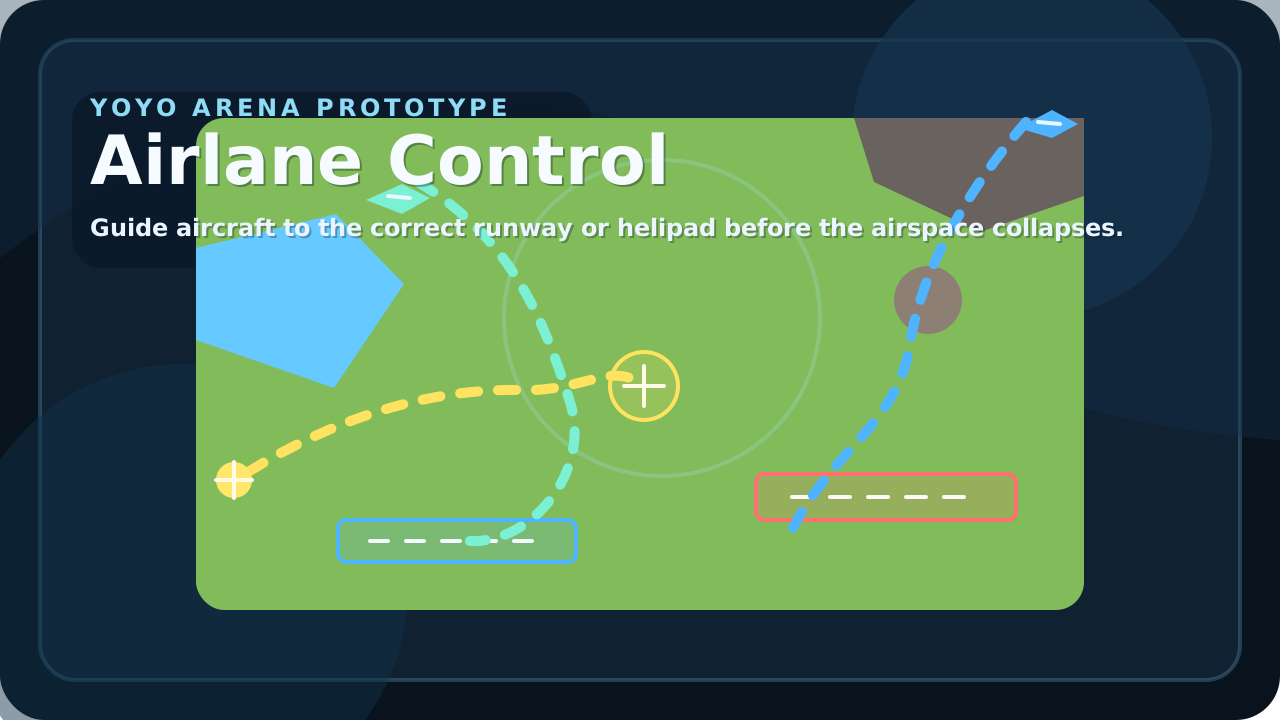
Guide aircraft through a crowded sky by drawing clean approach paths and matching every craft to...
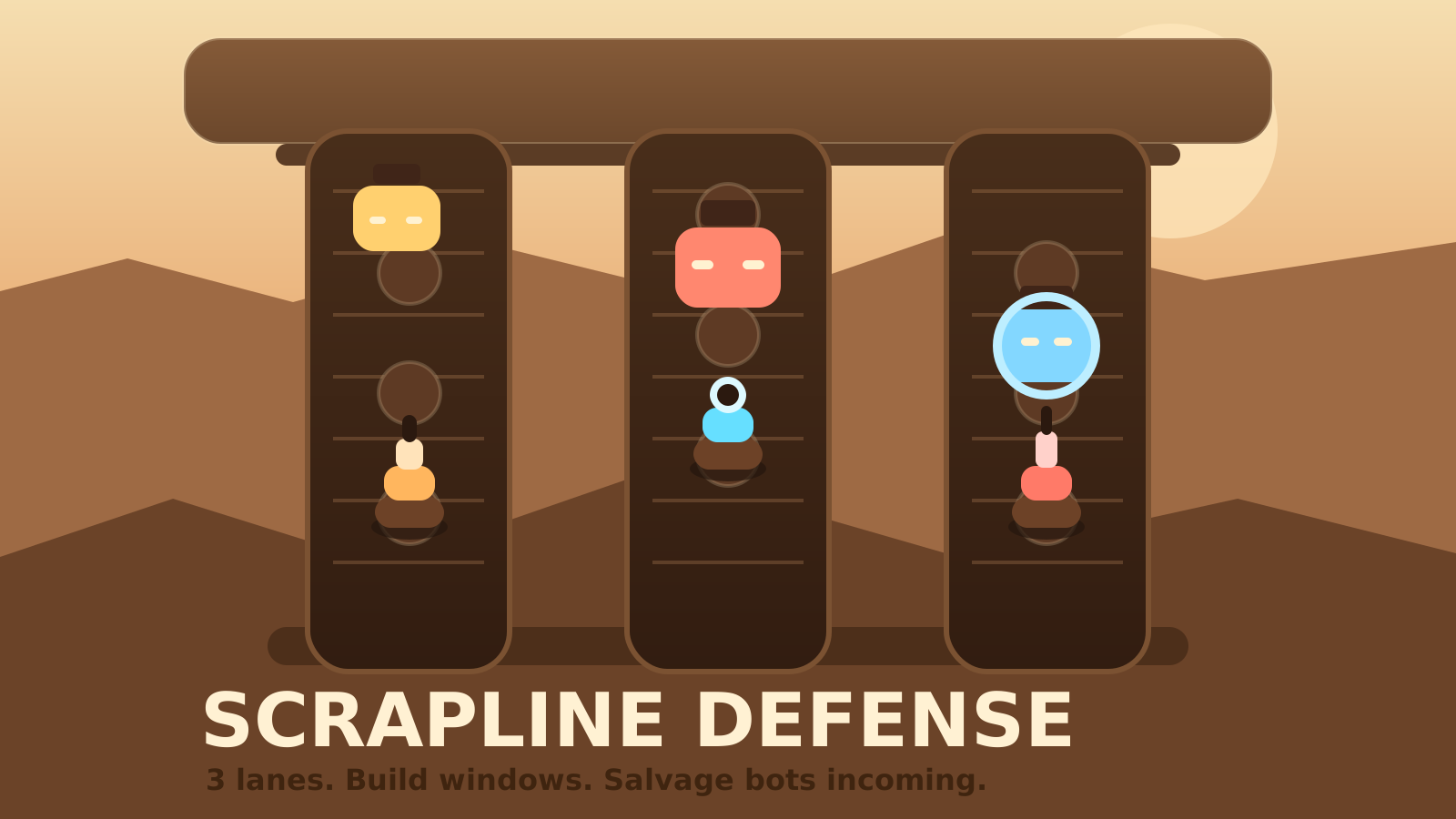
Hold the reactor line with scrap-built turrets and split-second spending decisions. Scrapline...